One of the foundational principles of Traditional Chinese Medicine is Yin and Yang. When Yin and Yang are in balance, the body is able to function smoothly and maintain health. When they fall out of balance, symptoms—and eventually disease—can arise.
As we arrive at the Spring Equinox—a moment when Yin and Yang are in relative balance—it offers a meaningful opportunity to reflect on our own internal balance and how this seasonal shift may be affecting us.
What is Yin and Yang?
Yin and Yang are ancient Chinese concepts used to describe the natural duality present in all things. Yin is often associated with qualities such as dark, cold, slow, and inward. Yang, in contrast, is bright, warm, active, and outward.
These concepts can be applied to everything—our bodies, the seasons, even the foods we eat. For example, the sun is considered Yang, while the moon is Yin. The head is Yang relative to the feet, which are more Yin. However, this is always relative—everything contains both Yin and Yang, even if one aspect predominates.
How does Yin and Yang apply to health?
In Chinese Medicine, assessing the balance of Yin and Yang is a key part of diagnosis. During a visit, your practitioner evaluates this balance through a detailed understanding of your symptoms, along with tools like tongue and pulse diagnosis. This helps determine the most effective treatment approach.
Let’s look at a couple of common patterns:
A woman in perimenopause may come in experiencing hot flashes, night sweats, dry skin, heavy menstrual bleeding, anxiety, insomnia, and acid reflux. This pattern often reflects a Yin deficiency. Yin has a cooling, moistening, and calming role in the body, and it is essential for restful sleep. When Yin is depleted, we may see signs of heat, dryness, and restlessness.
In contrast, a 76-year-old man may present with fatigue, low appetite, loose stools, a feeling of cold, and edema. This presentation points toward a Yang deficiency. Yang provides warmth and energy for all bodily functions, including digestion. When Yang is weakened, the body struggles to properly transform food and fluids, leading to fatigue, digestive issues, and fluid accumulation.
The Seasons and the Movement of Yin and Yang
Living in harmony with nature is a core principle of Chinese Medicine, and one way to do this is by understanding how Yin and Yang shift throughout the year.
The Winter Solstice marks the peak of Yin and the lowest point of Yang. From that moment on, Yang begins to gradually rise as Yin declines, reaching balance at the Spring Equinox. After this point, Yang becomes more dominant, continuing to increase until it peaks at the Summer Solstice.
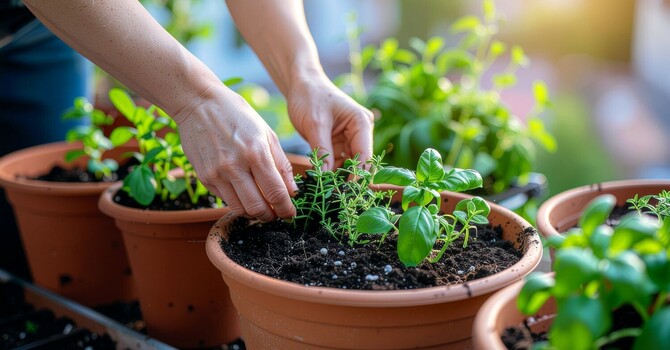
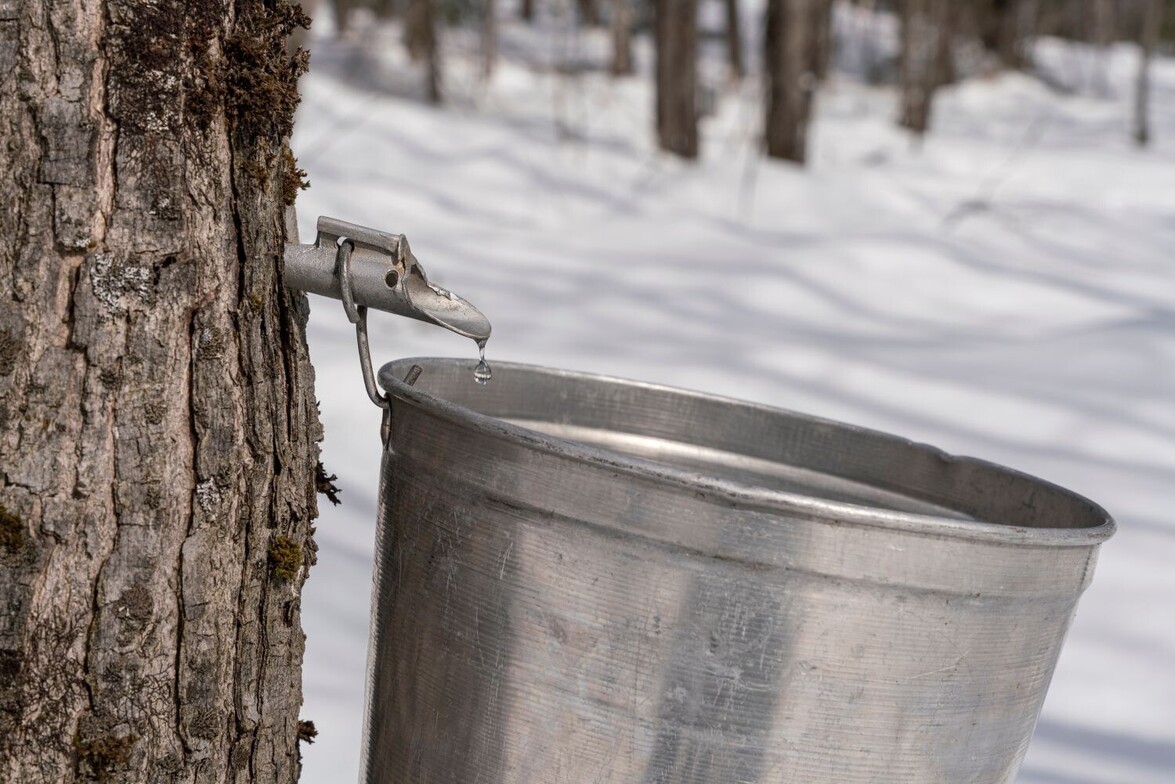
The time between the Spring Equinox and Summer Solstice is a period of rising Yang energy. This often feels like an outward expansion—more movement, more activity, more growth. You can see this reflected in nature: trees that were dormant in winter begin to awaken, sap rises, and new growth pushes up through the earth toward the sun.
How does this affect your health?
Just like the plants around us, our internal Yang energy begins to rise in the spring. This can feel energizing—we may feel more motivated to exercise, spend time outdoors, or start new projects.
But Yang depends on Yin for balance and support.
If we enter spring with depleted Yin—perhaps from a winter of poor sleep, chronic stress, illness, or simply not enough rest—it becomes much easier to overextend ourselves. Without enough Yin to anchor it, rising Yang can become excessive.
This imbalance can show up as headaches, high blood pressure, neck and shoulder tension, dizziness, irritability, poor sleep, or seasonal allergies. These are all signs that Yang is rising without sufficient Yin to ground and nourish it.
What does this mean for you?
My hope is that this gives you a new way of understanding your body and your health—especially during this seasonal transition.
The Spring Equinox is a turning point. From here, energy continues to build and move outward. This is a beautiful time for growth, but it’s also a time to stay grounded and supported.
When you begin to view yourself—and the world around you—through the lens of Yin and Yang, patterns start to make more sense. You may notice when you feel depleted versus energized, overheated versus chilled, restless versus grounded.
This awareness allows you to make more supportive choices in your daily life—whether that’s how you rest, how you move, or how you care for yourself as the seasons change.
And if you’re not sure where your balance lies, that’s exactly where acupuncture can help.

Danielle Murphy
Contact Me